


Vickers Hardness Tester
A Vickers hardness tester is a precision instrument developed in 1921 by Robert L. Smith and George E. Sandland at Vickers Ltd., widely used to measure the hardness of metals, ceramics, and some polymers. It employs a square‑based diamond pyramid indenter with a 136° angle between opposite faces, which is pressed into the material surface under a controlled load (from micro‑loads as low as 1 gf to macro‑loads up to 120 kgf). After holding the load for a specified time and removing it, the tester measures the diagonal lengths of the resulting square indentation via a built‑in microscope, then calculates the Vickers hardness value (HV) as the ratio of the applied force to the surface area of the indentation. Renowned for its high precision, versatility across all hardness ranges, and suitability for thin sections, coatings, and case‑hardened layers, it has become a global standard in material science, metallurgy, and quality control per ISO 6507 and ASTM E384.
Product model recommendation
-
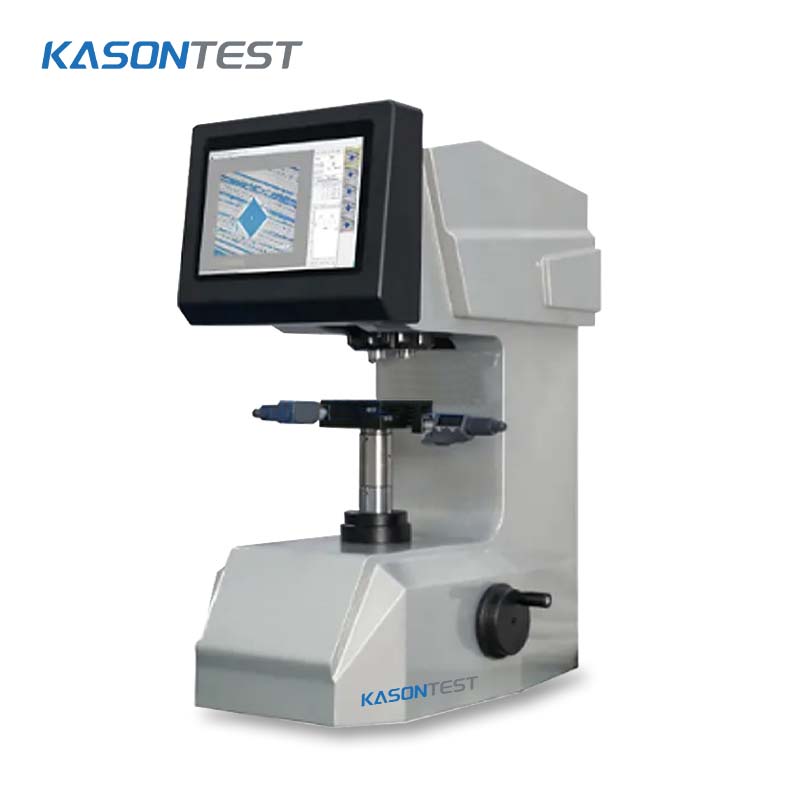
KASON HTV -10I Intelligent Computerized Macro Vickers Hardness Tester
-
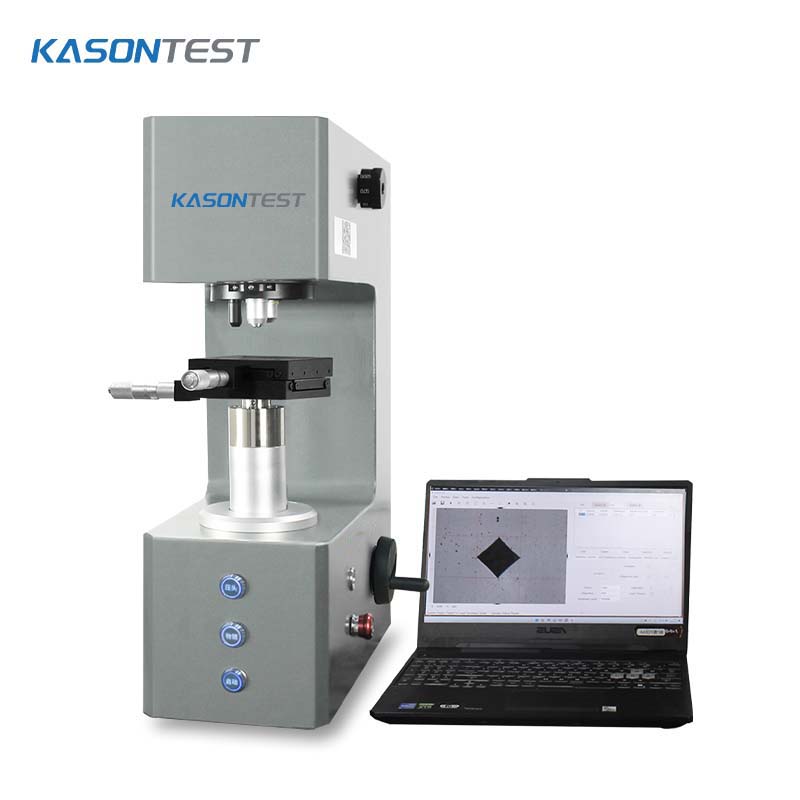
Intelligent (Micro) Vickers Hardness Tester
-
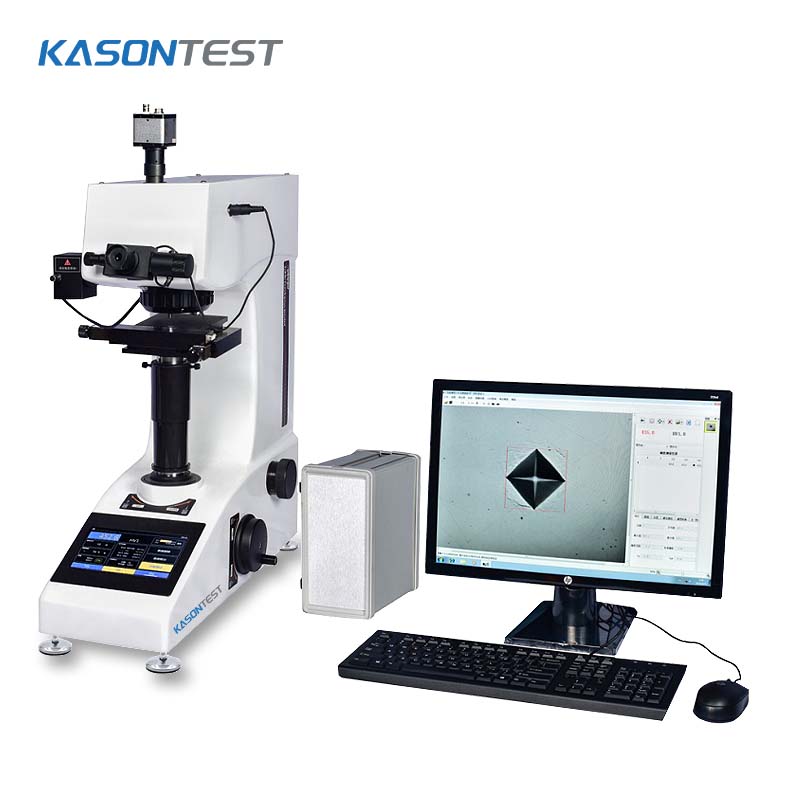
KASON HTMV-M-AXY Touch Screen Automatic Turret Type Vickers Hardness Tester with Software
-
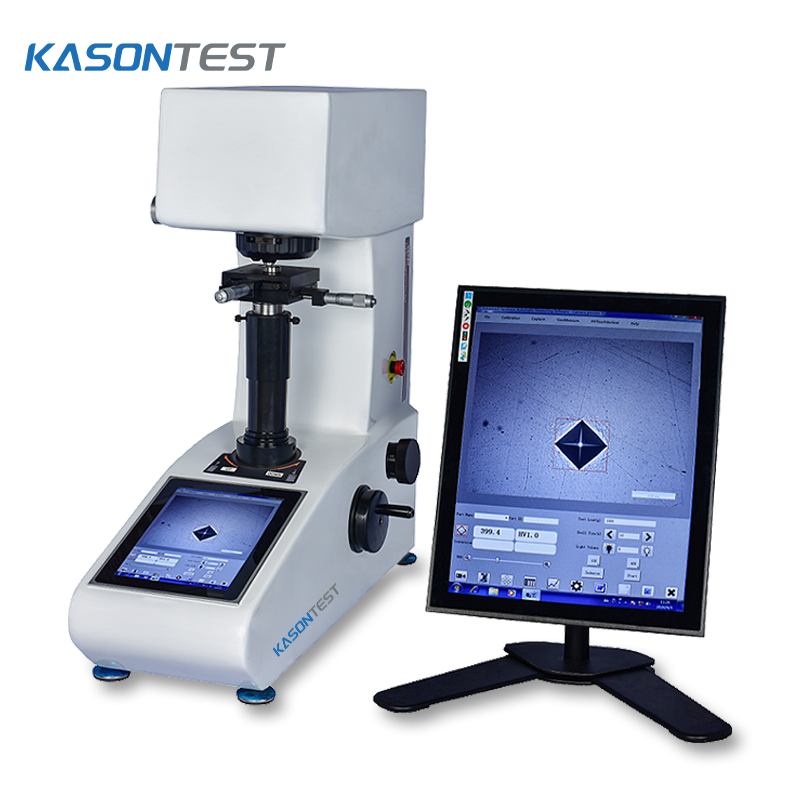
KASON HTV-ACT Integrated Intelligent Visual Hardness Tester
-
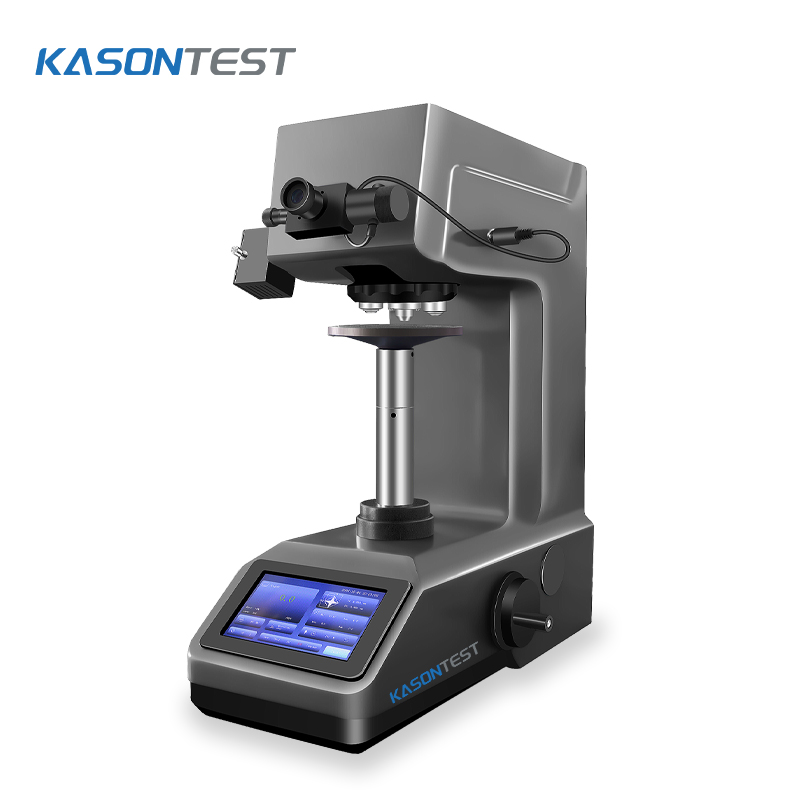
KASON HTV-5/10/30/50ATH Touch Screen Display Automatic Turret Vickers Hardness Tester
-
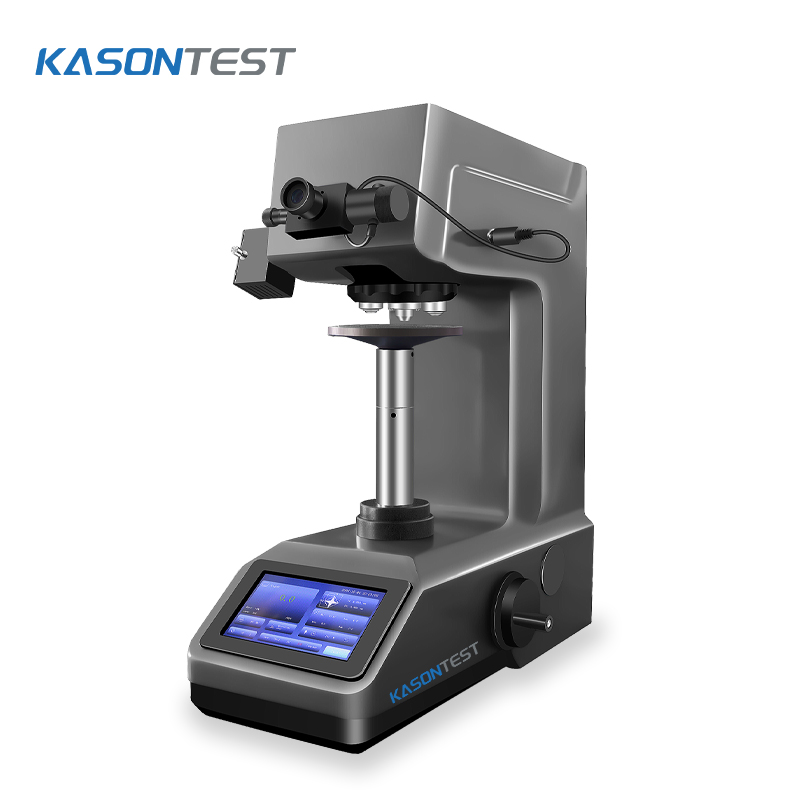
KASON HTV-5/10/30/50TH Touch Screen Display Manual Turret Vickers Hardness Tester
-
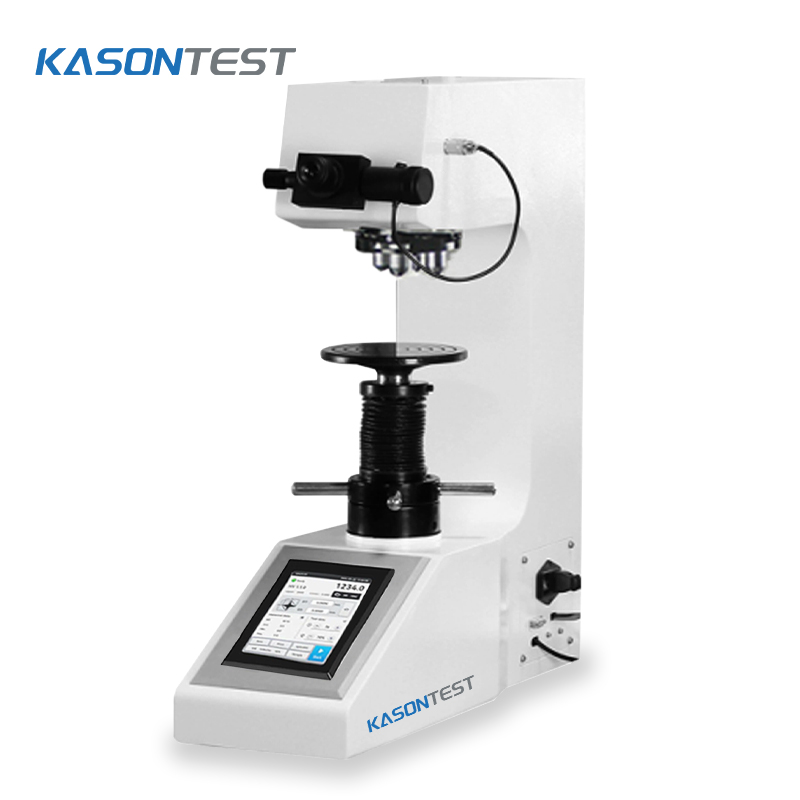
KASON HTV-5/10/30/50/100ATQ Three Objective Lens Automatic Turret Digital Vickers Hardness Tester
-
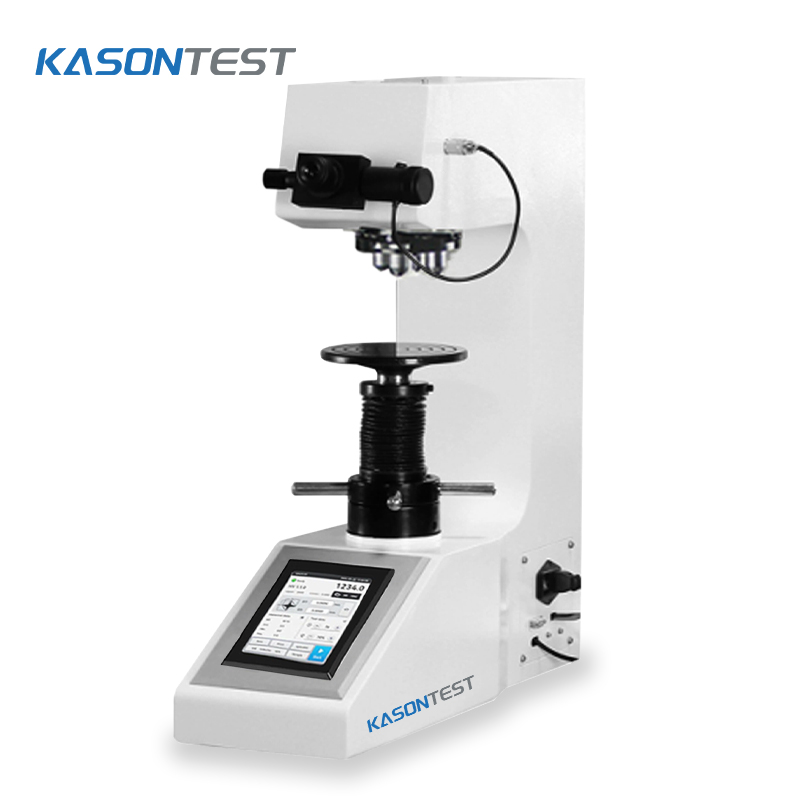
KASON HTV-100/120ATG Touch Screen Advanced Automatic Turret Display Vickers Hardness Tester
-
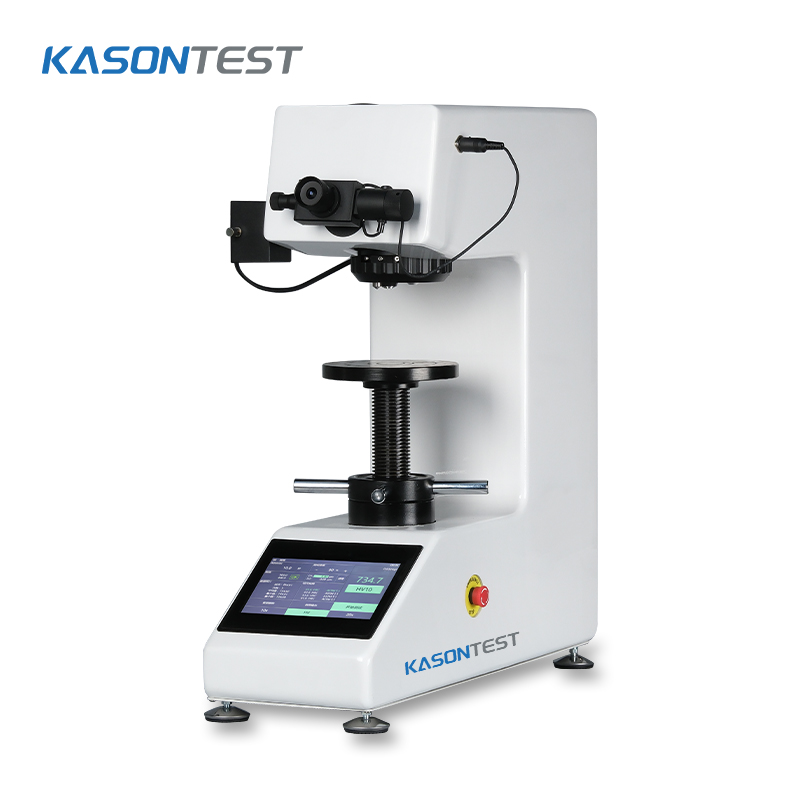
KASON HTV-5/10/30/50ATC Touch Screen Display Automatic Turret Vickers Hardness Tester with Load Cell
-
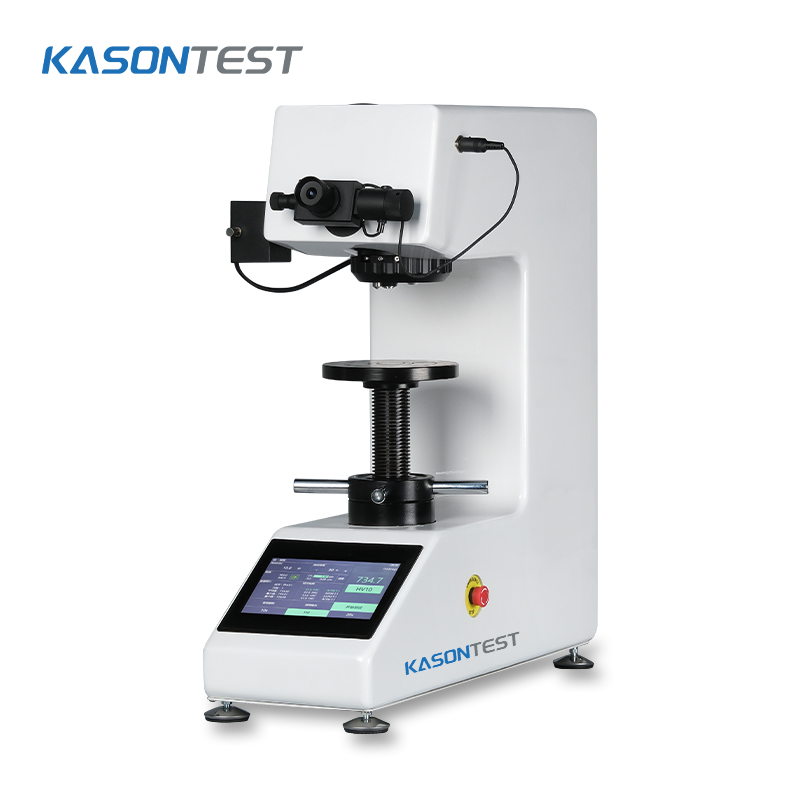
KASON HTV-5/10/30/50TC Touch Screen Display Manual Turret Vickers Hardness Tester with Load Cell
-
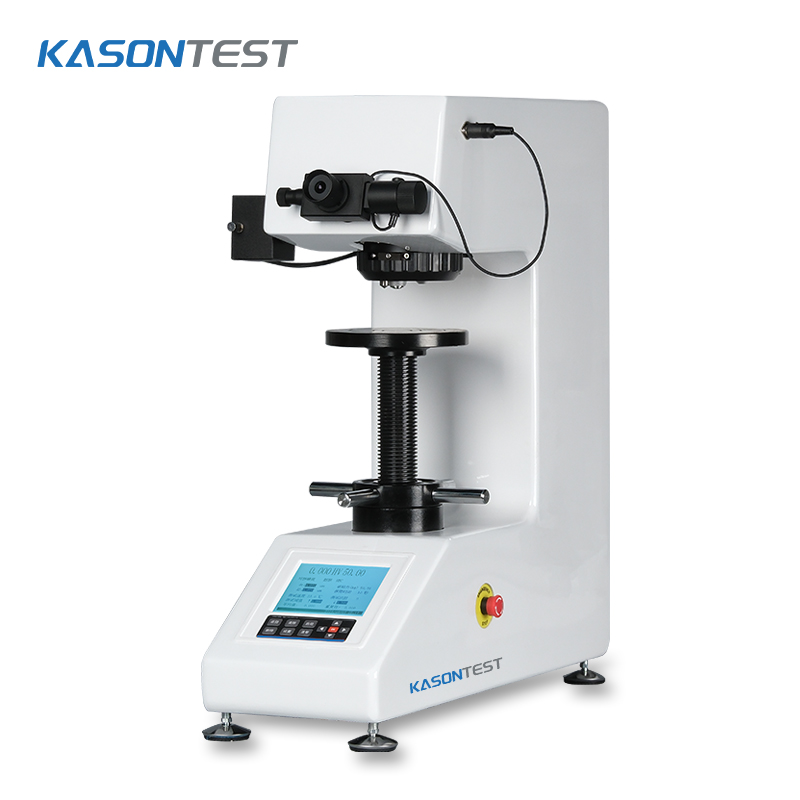
KASON HTV-5/10/30/50ADC Digital Display Automatic Turret Vickers Hardness Tester with Load Cell
-
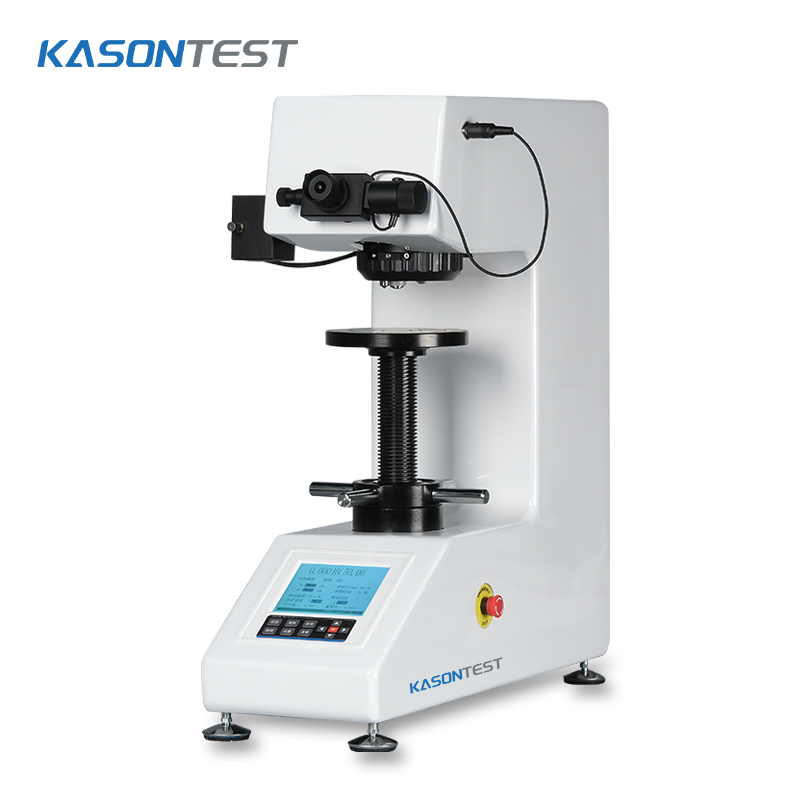
KASON HTV-5/10/30/50DC Digital Display Manual Turret Vickers Hardness Tester with Load Cell
-
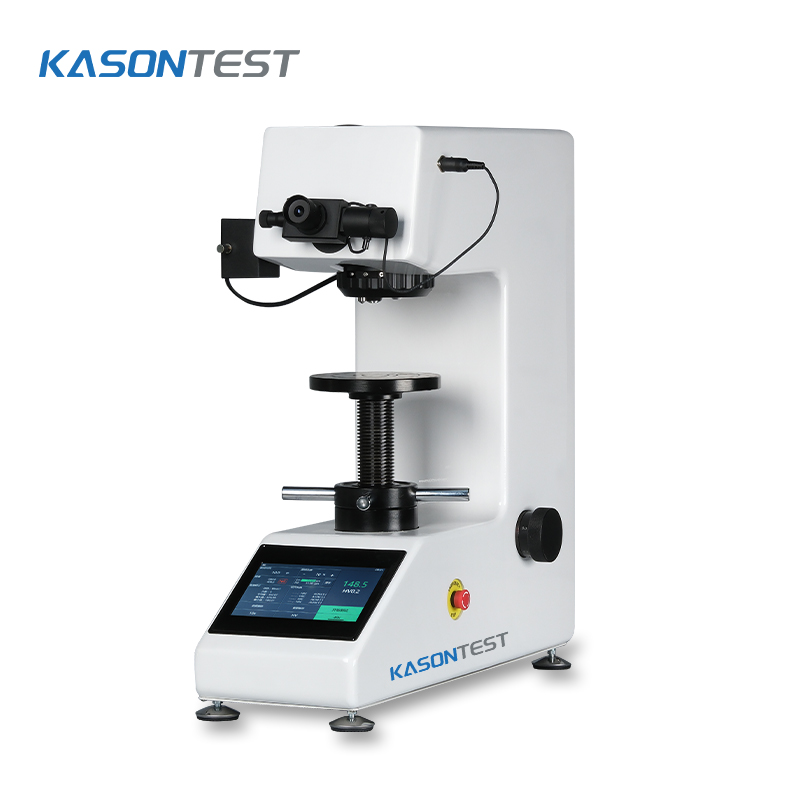
KASON HTV-5/10/30/50AT Touch Screen Display Automatic Turret Vickers Hardness Tester With Weight Loading
-
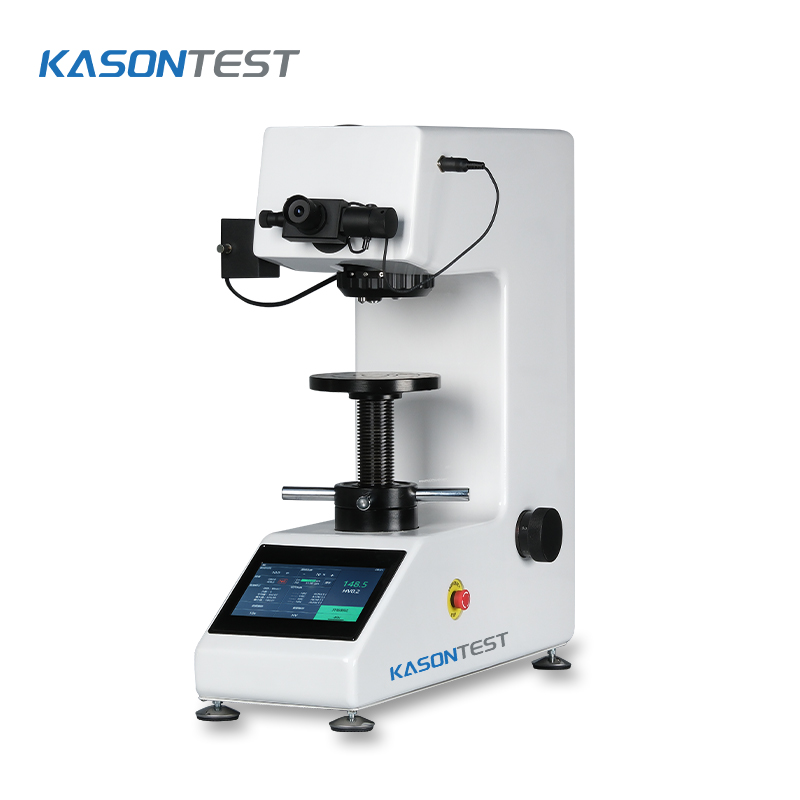
KASON HTV-5/10/30/50T Touch Screen Display Manual Turret Vickers Hardness Tester with Weight Loading
-
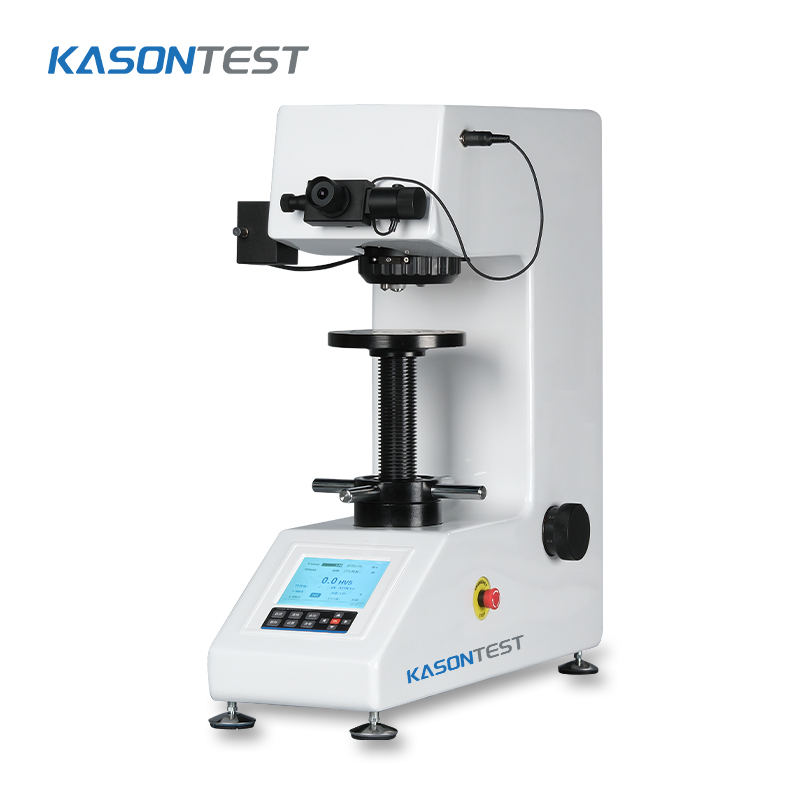
KASON HTV-5/10/30/50ADB Digital Display Automatic Turret Vickers Hardness Tester with Weight Loading
-
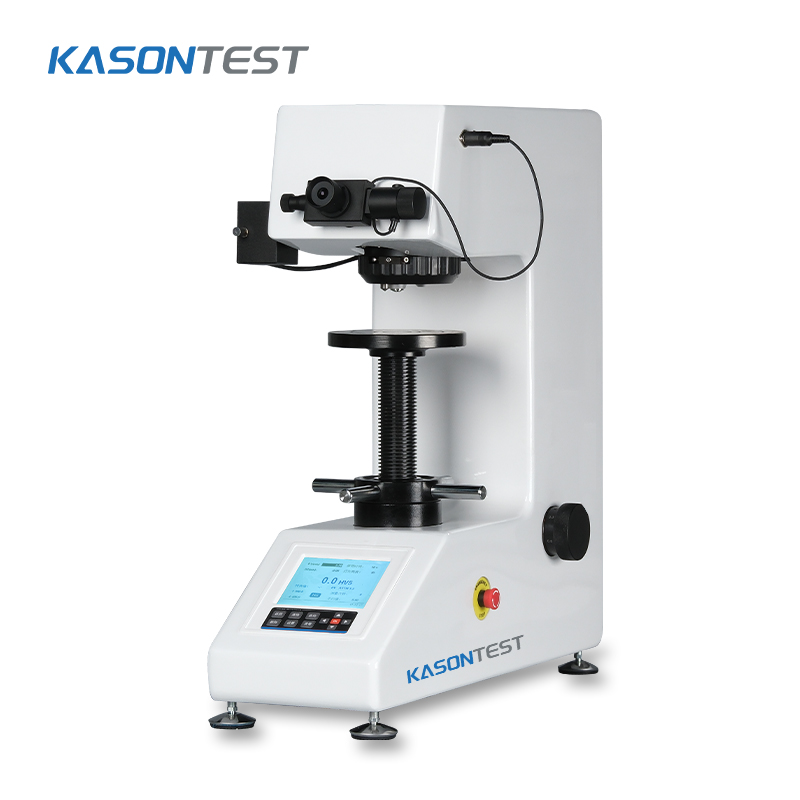
KASON HTV-5/10/30/50DB Digital Display Manual Turret Vickers Hardness Tester with Weight Loading
-
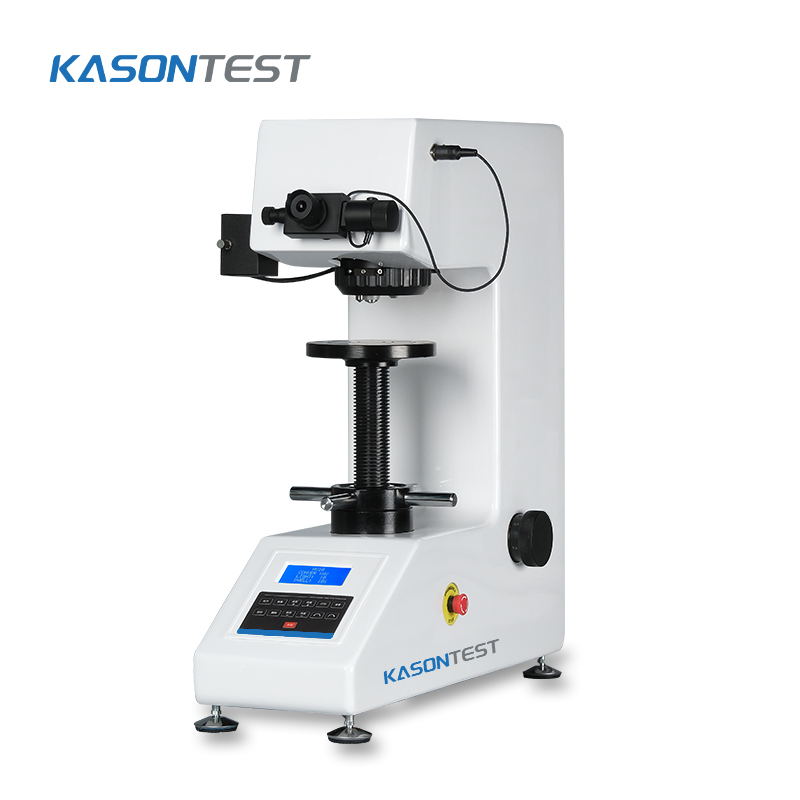
KASON HTV-5/10/30/50D Digital Manual Turret Vickers Hardness Tester with Weight loading
-
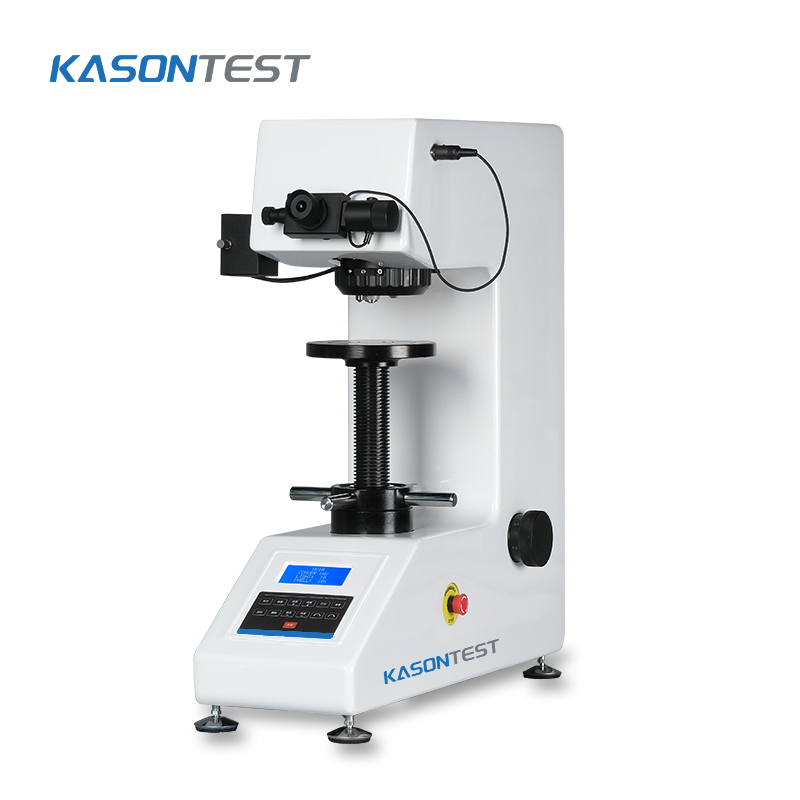
KASON HTV-5/10/30/50AD Digital Display Automatic Turret Vickers Hardness Tester with Weight loading
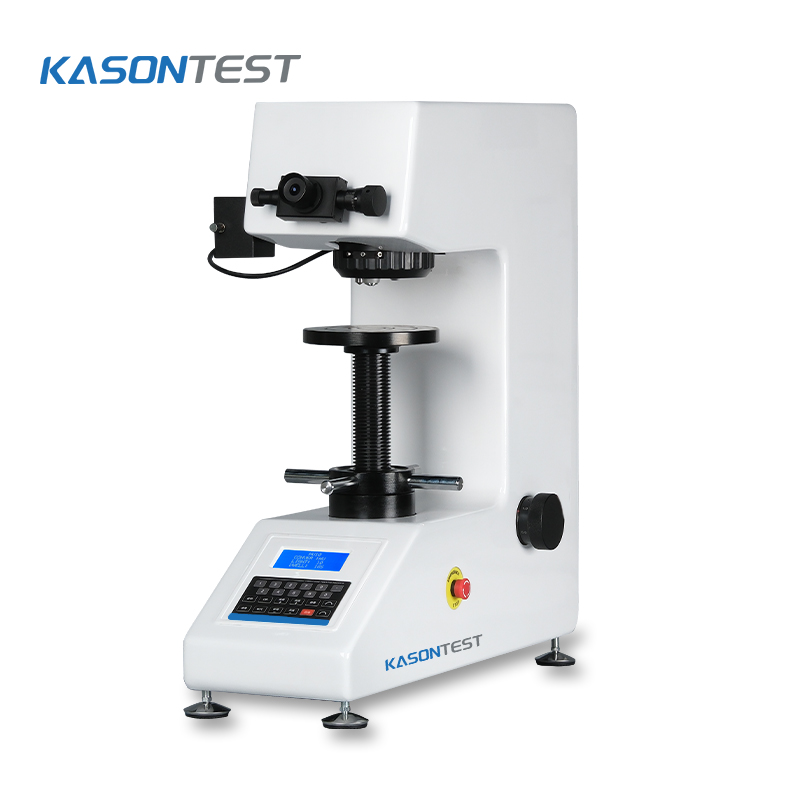
How to operate the equipment
industry standard
What are the detectable materials
Related industries

-
Telephone:+86 15910081986
Address:NO.4715, JINGSHI WEST ROAD, HUAIYIN DISTRICT, JINAN, SHANDONG, CHINA
Mailbox:admin@jnkason.com
-
Testing machine equipment metallographic analysis hardness tester series
Non-destructive testing equipment Material analysis instruments
©2026 Jinan Kason Testing Equipment Co., Ltd.