


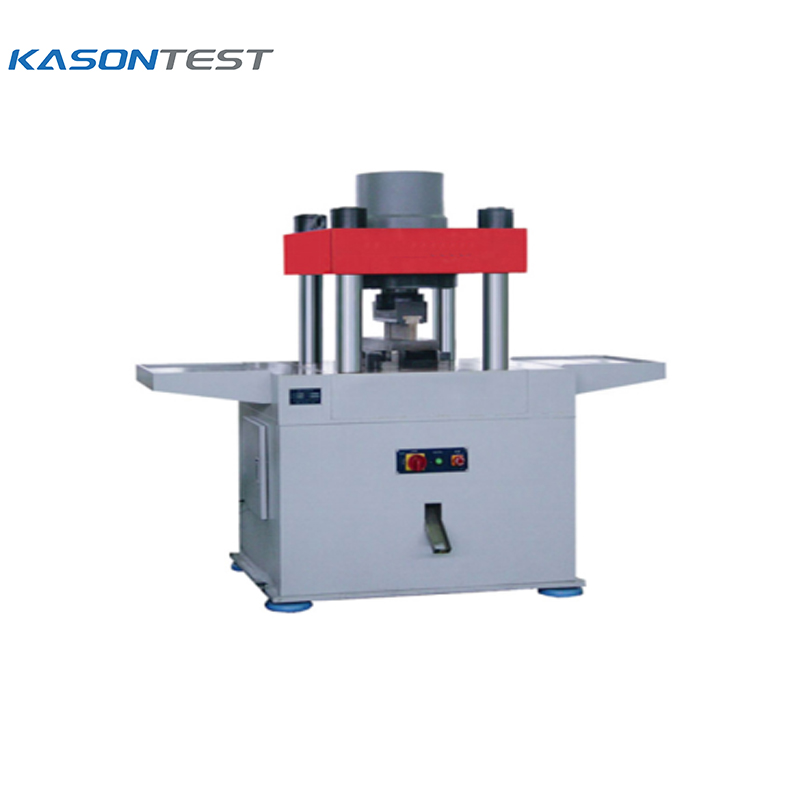
Tensile Sample-Specimen Grinding Machine
- Max.Load
1000KN
- Operation system
- Specimen
JIS-5#,JIS-13,JIS13B or other
- Grinding tool life
10000 time
The best, gold-plated Tensile testing machine in the world can only deliver results as accurate as the sample allows. The demand for accurate results / meeting the quality requirements of the standards requires flawless sample preparation!
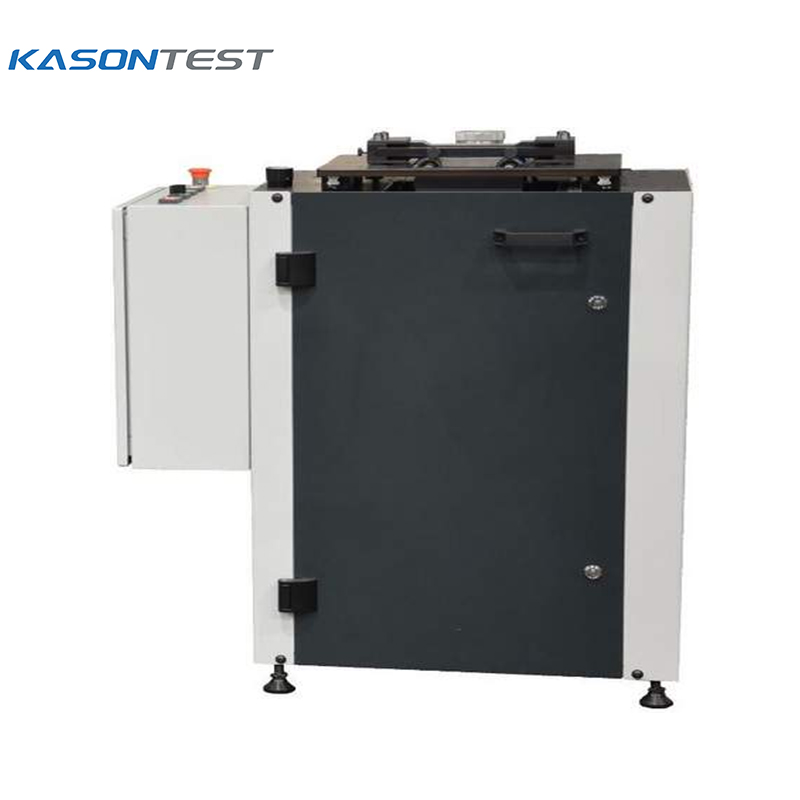
Tensile Sample-Specimen Grinding Machine
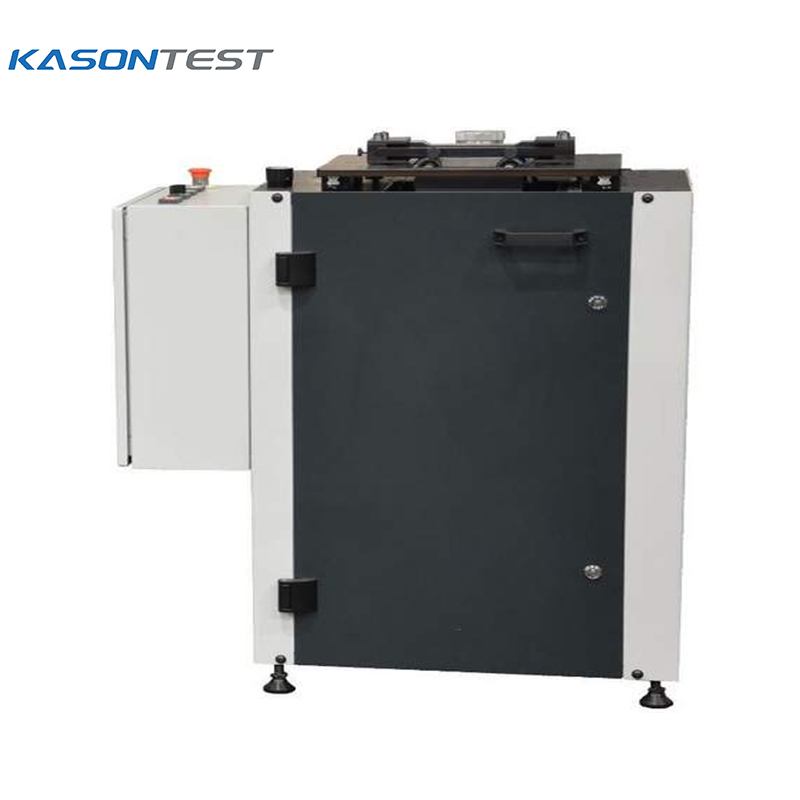
Tensile Sample-Specimen Grinding Machine
The best, gold-plated Tensile testing machine in the world can only deliver results as accurate as the sample allows. The demand for accurate results / meeting the quality requirements of the standards requires flawless sample preparation!
Request a QuoteProduct Details
Indispensable for punched / laser cut tensile specimens
The best, gold-plated Tensile testing machine in the world can only deliver results as accurate as the sample allows. The demand for accurate results / meeting the quality requirements of the standards requires flawless sample preparation!
Punching is the most efficient and therefore most economical way to take a tensile test sample from a sheet metal, provided that the work-hardened edge zone of the sample can be removed cleanly and efficiently. This can be done by milling or grinding in accordance with standards (see picture above: PSM2000 sample grinding machine).
Sample production by laser cutting: For difficult-to-punch sheets (strengths >1600 or >1800 MPa: For hardened sheets from press hardening / hard-rolled sheets / special alloys), the tensile specimen can alternatively be cut using laser cutting. However, it is very important to remove the melting edge or the entire heat-affected zone. This preparatory work (production of the tensile specimen / dumbbell) is usually carried out in the laser cutting / trimming production area. The tensile specimen (with melting edge) is then ground using the PSM2000 specimen grinding machine.
Other types of sample preparation (usually unsuitable)
Materials / types of steel that cannot be milled: According to customer statements, the following types of steel cannot be milled at all. This is mainly because the milling technology fails and even first-class milling cutters become blunt "immediately" (when used for the first time - the cutter no longer cuts; the material is compacted and the result is therefore distorted): DUPLEX steels / steel key material numbers: 1.4376 H500 - H800 - H1000 | 1.4378 | 1.4462 | 1.4162 | 1.4419 | 1.4122 | 1.4618 | 1.43XX (with manganese alloy) | 1.4301 (with manganese alloy) hardened steel for press hardening / hot forming, especially "manganese steel".
The sample grinding machine, which has been around since 1970, is now so sophisticated and structurally improved that even semi-skilled workers are able to produce absolutely parallel samples with a high surface quality in the shortest possible time - with a guaranteed sample parallelism of better than 0,02 mm (IDDRG recommendation). The sample grinding machine is constantly being further developed and is known for its robustness. Innovations over the years:
Belt tensioning via pneumatic cylinder (increased comfort when changing sanding belts and reproducible clamping pressure with improved reproducibility of the sanding results).
new maintenance-free parallel guide
new sample holder via pins – less sensitive to contamination of the contact surfaces
new tape direction correction
closed machine room below: grinding dust no longer falls to the floor
digital display of zero position and feed (grinding removal)
increased safety: door lock when sanding belt is running
Product parameters
| designation | ISO6892 B1-1 | ISO6892 B1-2 | ISO6892 B1-3 | press hardening | ASTM E8/E8M | ASTM A370 | JIS | GOST | |
| sample form 1 | sample form 2 | sample form 3 | special shape | sample shape | sample form Subsize | sample shape | 1497 | ||
| A50 or | A80 or | "A30" | 12,5 (1/2″) | Z2241 | Type 1 | ||||
| ISO | ASTM | 12,5 x 50 | 20 x 80 | 25 x 50 | |||||
| Lt | L | 200 | 250 | 200 | ~ 136 | 200 (min.) | 100 | 200 | 150 |
| B | C | 20 | 30 | 35 | 9 | 20 | 10 | 35 | 40 |
| h | B | ~ 50 | ~ 50 | ~ 55 | 45 (min.~45) | ~ 50 min | ~ 30 | ~ 55 | |
| R | R | 20 | 20 | 25 | 15 | 20 (min.12,5) | 15 (min.6) | 25 | |
| Lc | A | 75 (min.57) | 120 (min.90) | 60 (min.) | 36 | 75 (min. 57) | 36 (min.32) | 60 | 100 |
| L0 | G | 50 | 80 | 50 | 30 | 50 +1 | 25 +1 | 50 | |
| b0 | W | 12.5 +1 | 20 +1 | 25 +1 | 5 | 12,5+0,2 | 6+0,1 | 25 | 20 |
| Lc parallelism | <0,06 | <0,12 | <0,12 | <0,06 | <0,1 | <0,08 | <0,1 | ||
| (form tolerance) | |||||||||
| b+ | W+ | Punching allowance required for processing the punching edge (work hardening) | |||||||
| a0 | T | Thickness for cutting tools / punching technology: 0,05 – 12,0 mm | |||||||
Download
| Name | Download |
|---|
Applicable industries
Related Products

-
Telephone:+86 15910081986
Address:NO.4715, JINGSHI WEST ROAD, HUAIYIN DISTRICT, JINAN, SHANDONG, CHINA
Mailbox:admin@jnkason.com
-
Testing machine equipment metallographic analysis hardness tester series
Non-destructive testing equipment Material analysis instruments
©2026 Jinan Kason Testing Equipment Co., Ltd.