


ASTM D1621 Compressive Properties Rigid Cellular Plastics
ASTM D1621 outlines the testing procedure for determining the compressive properties of rigid cellular materials, particularly expanded plastics. Rigid cellular, or foamed, plastics are manufactured in different forms for a variety of construction-related applications.
- Home >> Service industry >> By Standards >> ASTM
ASTM D1621 Compressive Properties Rigid Cellular Plastics
ASTM D1621 Compressive Properties Rigid Cellular Plastics
ASTM D1621 outlines the testing procedure for determining the compressive properties of rigid cellular materials, particularly expanded plastics. Rigid cellular, or foamed, plastics are manufactured in different forms for a variety of construction-related applications.
Request a QuoteProduct Details
PLATENS AND ACCESSORIES
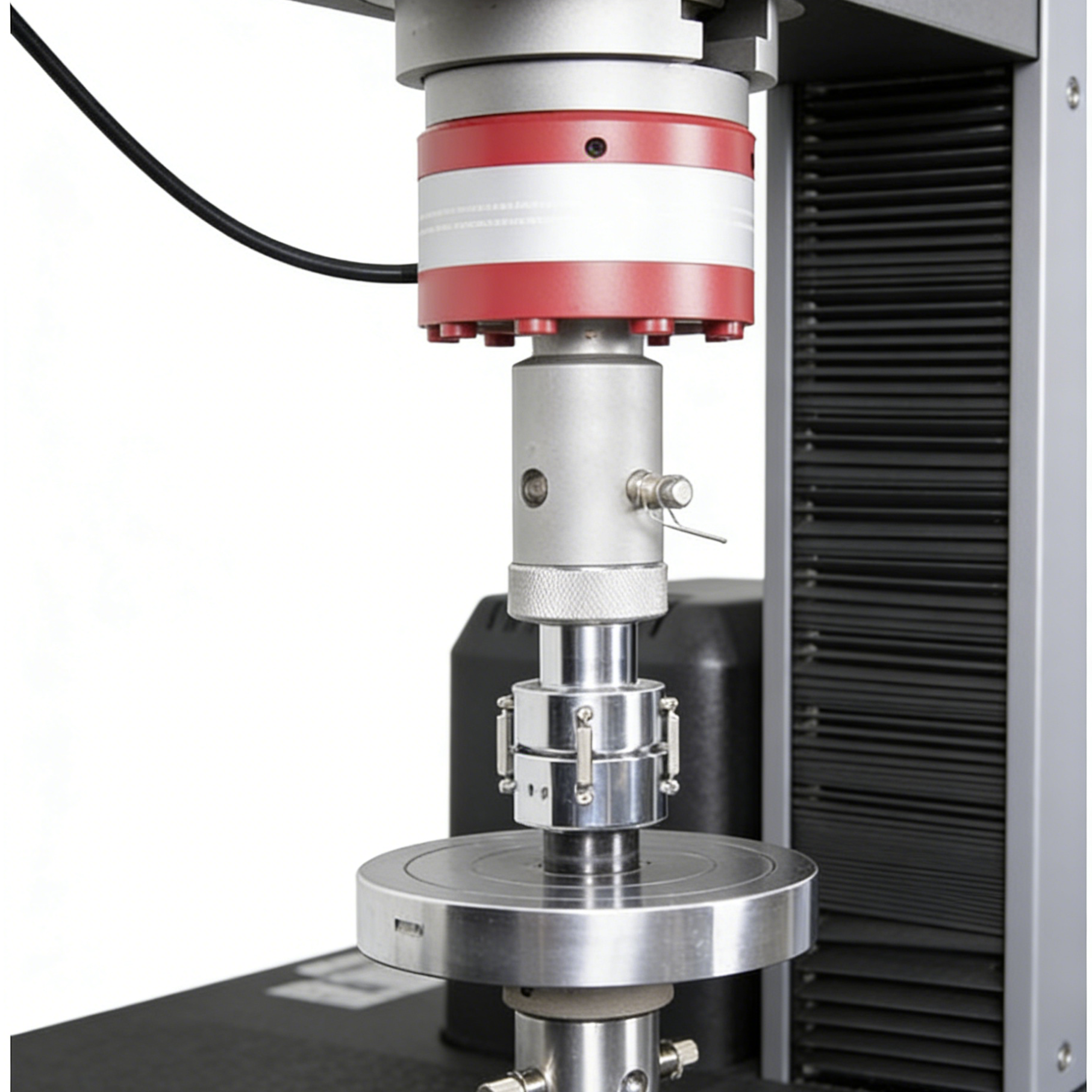
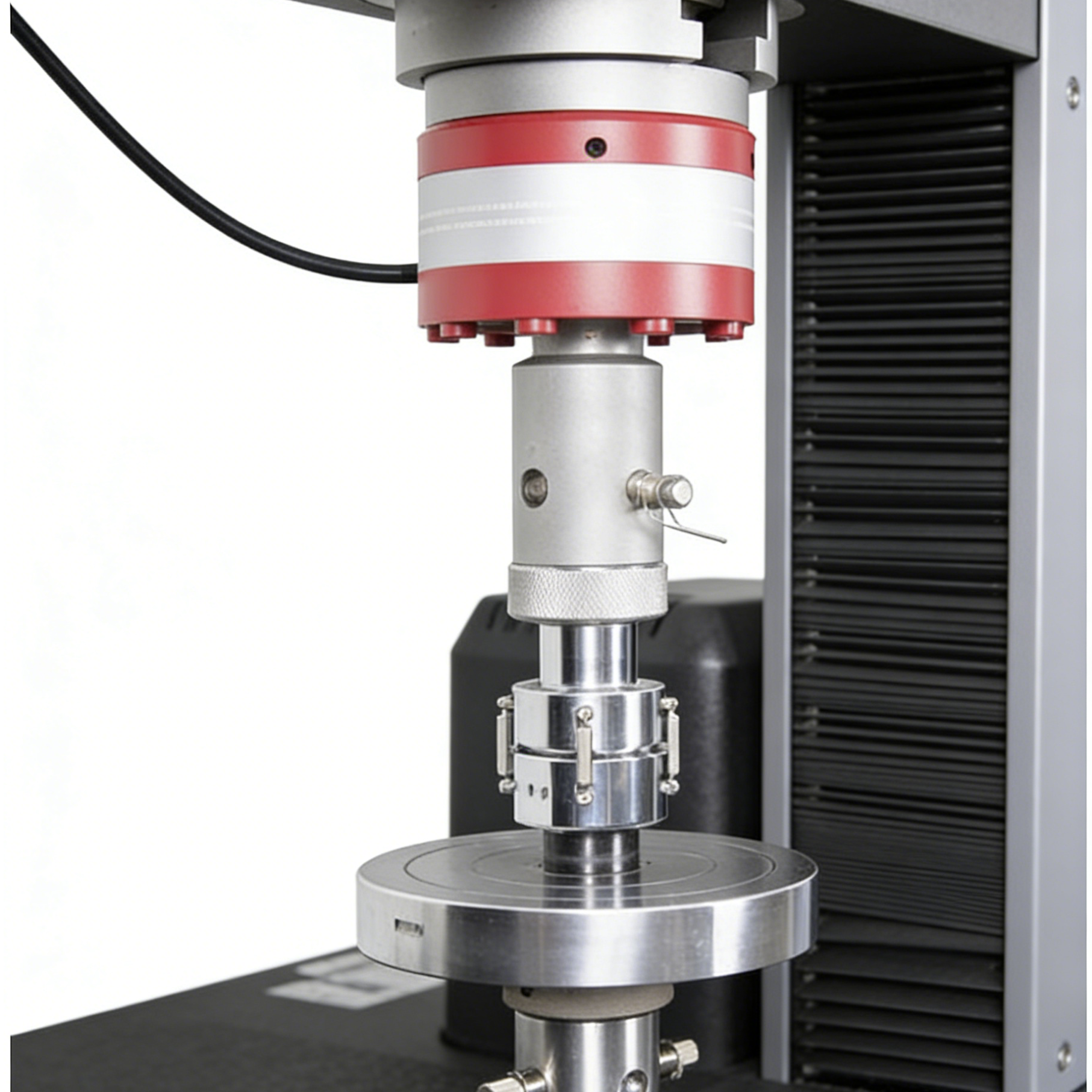
The preferred specimen dimensions for ASTM D1621 testing are a square or circular cross-sectional area between 4 and 36 square inches and a height between 1 inch and the specimen’s width (or diameter). Note the dimensional differences between a D1621 and D695 specimen, which are both ATSM compression test standards for plastic materials. Compression platens with integral spherical seats are ideal for ensuring platen to platen parallelism, which is a requirement of the standard. Depending on your application, the following are commonly used for ASTM D1621 testing:
Upper compression platen with integral spherical seat (diameters vary from 2 to 8”)
Lower rigid platen of matching size
LVDT (depending on required displacement)
LVDT mount for platens
HELPFUL TIPS AND TRICKS
Compression platens with integral spherical seats are ideal for ensuring platen to platen parallelism, which is a requirement of the standard. The self-aligning nature of this fixture will maximize the contact area between the platen and the specimen.
When measuring compressive displacement, ASTM D1621-16 allows for measurement using direct compression platen displacement or via crosshead extension by eliminating the effects of system compliance. If direct strain measurement is used, a displacement transducer is required to measure the distance between the upper and lower platen. The transducer must also be verified in conformance with ASTM E83 Class C or better. Our LVDTs can mount directly on the compression platens and are designed to measure displacement directly from the platens. To measure displacement via crosshead extension, Universal testing software can do an automatic compliance correction to eliminate system compliance from the test curve. Please review the compliance correction whitepaper for more details.
If reporting the modulus calculation, make sure the extensometer and load cell are both verified in the range that the calculation is being made. Labs sometimes unknowingly report calculations outside of the verified range of their devices.
It is important to review ASTM D1621-16 in order to fully understand the test setup, procedure, and results requirements.
Product parameters
Download
| Name | Download |
|---|
Applicable industries
Related Products

-
Telephone:+86 15910081986
Address:NO.4715, JINGSHI WEST ROAD, HUAIYIN DISTRICT, JINAN, SHANDONG, CHINA
Mailbox:admin@jnkason.com
-
Testing machine equipment metallographic analysis hardness tester series
Non-destructive testing equipment Material analysis instruments
©2026 Jinan Kason Testing Equipment Co., Ltd.