


ASTM D3039 Tensile Properties of Polymer Matrix Composite Materials
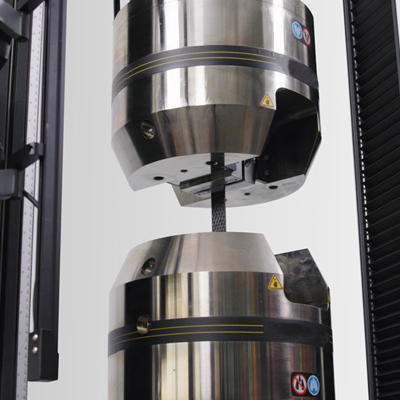
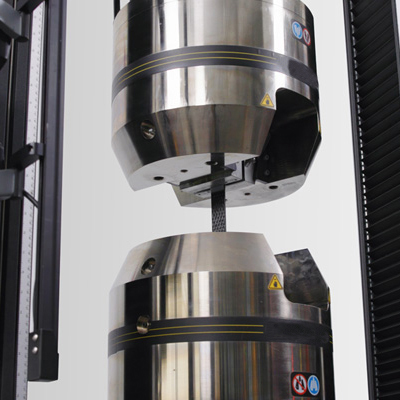
ASTM D3039 is a widely used standard for determining the tensile properties of composite materials. More specifically, this standard applies to composites that consist of a polymer matrix reinforced by either continuous or discontinuous high modulus fibers.
- Home >> Service industry >> By Standards >> ASTM
ASTM D3039 Tensile Properties of Polymer Matrix Composite Materials
ASTM D3039 Tensile Properties of Polymer Matrix Composite Materials
ASTM D3039 is a widely used standard for determining the tensile properties of composite materials. More specifically, this standard applies to composites that consist of a polymer matrix reinforced by either continuous or discontinuous high modulus fibers.
Request a QuoteProduct Details
ASTM D3039 Tensile Properties of Polymer Matrix Composite Materials
ASTM D3039 is a widely used standard for determining the tensile properties of composite materials. More specifically, this standard applies to composites that consist of a polymer matrix reinforced by either continuous or discontinuous high modulus fibers.
Due to their high strength-to-weight ratio, these types of composites are commonly used for aerospace, automotive, and renewable energy applications.
This guide introduces the key elements of ASTM D3039 testing, including equipment, software, and samples needed.
What Does ASTM D3039 Measure?
ASTM D3039 testing involves applying a tensile force to a specimen (coupon) and measuring various properties. Testing is conducted on a universal testing machine (also called a tensile testing machine) and the standard incorporates both inch-pound and SI units.
Key measurements include:
Ultimate tensile strength – Maximum stress applied (typically at break)
Ultimate tensile strain – Strain at break
Tensile modulus – Material stiffness
Poisson’s ratio – Ratio of the change in transverse to longitudinal strain
Transition strain – In cases where the material shows a yield behavior as indicated by a slope change in the stress-strain response, the transition strain is the strain value where the slope change occurs
Failure mode – Broken specimens must be examined and their failure type, area, and location must be recorded
Is ASTM D3039 the Right Standard?
ASTM D3039 is one of the most basic tests for characterizing the tensile properties of composite materials. However, other standards exist to evaluate the many different mechanical properties of anisotropic and heterogeneous composite materials, including:
ASTM D3410 and ASTM D6641 for compression testing
ASTM D3518 for in-plane shear testing
The Composites Application Module in Instron’s Bluehill Universal software includes a pre-configured test method for ASTM D3039 and many other standards. View the full list of available method templates.
Specimen Types
ASTM D3039 specimens are rectangular in shape with a constant cross-section.
The standard includes recommended specimen geometries for 0⁰ unidirectional, 90⁰ unidirectional, balanced and symmetric, and random-discontinuous material types.
ASTM D3039 can be used for both continuous and discontinuous fiber reinforcements, but the lay-up of the laminate specimen must be balanced and symmetric with respect to the test direction to ensure that the specimen does not twist or distort while under load.
Specimen Tabs
It is common practice in composites testing to use tabs to protect the specimen material from being damaged by the grips. ASTM D3039 does not require tabs, but it does recommend their use when testing unidirectional materials.
Tabs can either be bonded to the specimen or held in place by friction (e.g. emery cloth).
Specimen Measurement
Before testing, the specimen’s cross-sectional area must be measured. This is done by measuring the width and thickness at three places within the gauge section and averaging the measurements.
Specimen Measurement Devices
When one or both surfaces are irregular, a micrometer with a ball interface is required to measure thickness.
If both surfaces are flat, then a micrometer with a ball or flat interface can be used.
Use a caliper or micrometer with a flat anvil to measure specimen width.
Best practice: To eliminate the chance of input errors and for improved efficiency, use an automatic specimen measurement device capable of transmitting measurements directly to the testing software.
The Automatic Specimen Measuring Device feature in Bluehill Universal allows operators to connect up to two devices (micrometers or calipers) simultaneously.
Grips and Specimen Alignment
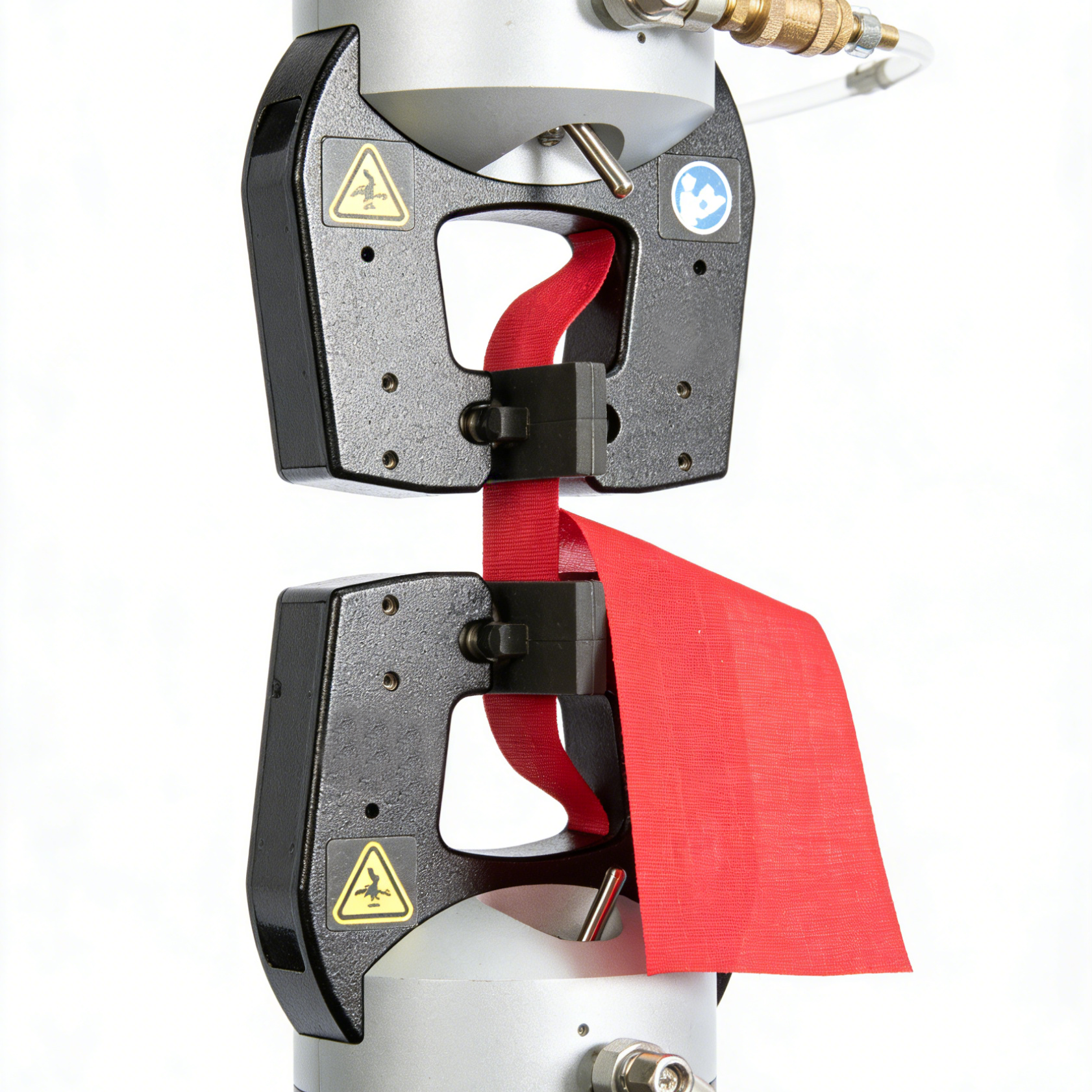
The tensile grips used to hold composite specimens must provide sufficiently strong and even pressure to prevent the specimen from slipping during testing.
Recommended Grips
Precision manual wedge grips
Hydraulic wedge grips
Both grip types provide a reliable clamping force and use a moving body design which minimizes the compressive forces when loading a specimen.
Product parameters
Download
| Name | Download |
|---|
Applicable industries
Related Products

-
Telephone:+86 15910081986
Address:NO.4715, JINGSHI WEST ROAD, HUAIYIN DISTRICT, JINAN, SHANDONG, CHINA
Mailbox:admin@jnkason.com
-
Testing machine equipment metallographic analysis hardness tester series
Non-destructive testing equipment Material analysis instruments
©2026 Jinan Kason Testing Equipment Co., Ltd.