


ASTM C633 Adhesion or Cohesion Strength of Thermal Spray Coatings
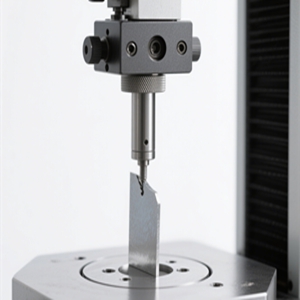
The ASTM C633 test method is used to determine the adhesion or cohesion strength of a thermal spray by subjecting it to tension perpendicular to the surface.
- Home >> Service industry >> By Standards >> ASTM
ASTM C633 Adhesion or Cohesion Strength of Thermal Spray Coatings
ASTM C633 Adhesion or Cohesion Strength of Thermal Spray Coatings
The ASTM C633 test method is used to determine the adhesion or cohesion strength of a thermal spray by subjecting it to tension perpendicular to the surface.
Request a QuoteProduct Details
The ASTM C633 test method is used to determine the adhesion or cohesion strength of a thermal spray by subjecting it to tension perpendicular to the surface.
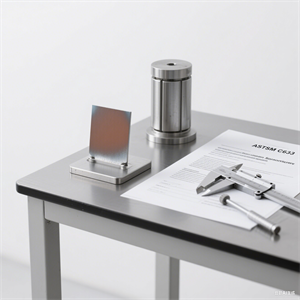
The substrate fixture that spray coating is applied to is most commonly a cylinder made of the same metal that would be used as the substrate of the coating in its actual use. If a substrate is not specified for your application, then the ASTM C633 standard specifies to use SAE 1018 or 1020 steel. A similar, but uncoated, fixture is then glued to the surface of the coating with a suitable adhesive bonding agent. The adhesive bonding agent should not be the "weakest link", but should be at least as strong as the minimum required adhesion or cohesion strength of the coating.
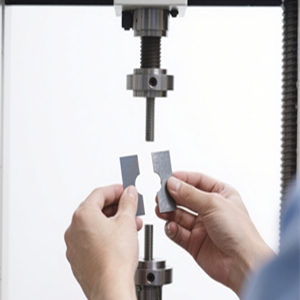
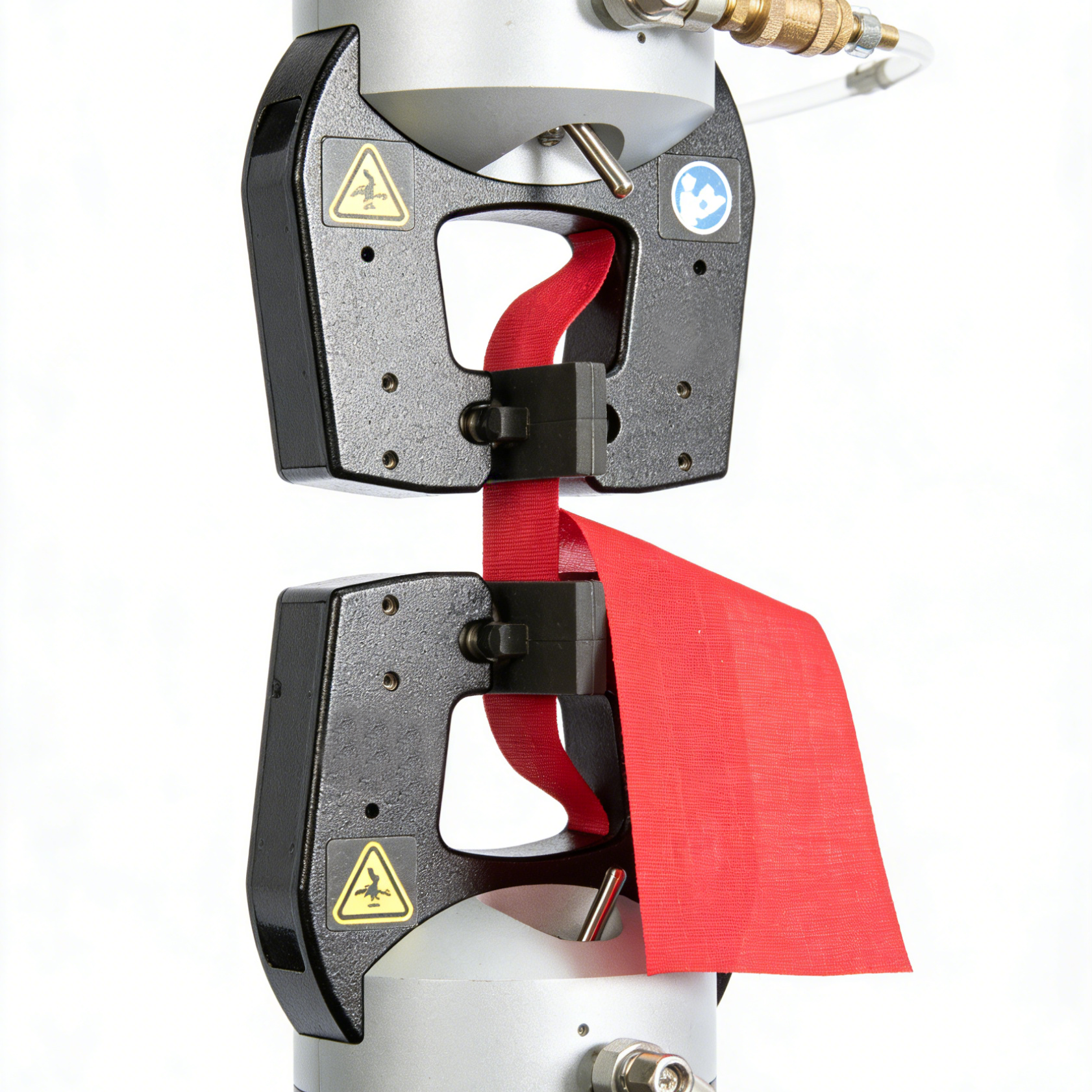
To ensure the direction of force application is perpendicular to the coated surfaces, ASTM C633 specifies to use a self-aligning load fixture to attach these substrate cylinders to the test frame. The assembly is pulled at a constant speed between 0.030 in/min and 0.050 in/min until failure. The maximum force is then normalized over the cross-sectional area to give adhesion or cohesion strength of the thermal spray. If failure is entirely at the coating-substrate interface, then the result is referred to as the adhesion strength. If failure occurs within the coating, the result is referred to as the cohesion strength.
The substrate fixture that spray coating is applied to is most commonly a cylinder made of the same metal that would be used as the substrate of the coating in its actual use. If a substrate is not specified for your application, then the ASTM C633 standard specifies to use SAE 1018 or 1020 steel. A similar, but uncoated, fixture is then glued to the surface of the coating with a suitable adhesive bonding agent. The adhesive bonding agent should not be the "weakest link", but should be at least as strong as the minimum required adhesion or cohesion strength of the coating.
To ensure the direction of force application is perpendicular to the coated surfaces, ASTM C633 specifies to use a self-aligning load fixture to attach these substrate cylinders to the test frame. The assembly is pulled at a constant speed between 0.030 in/min and 0.050 in/min until failure. The maximum force is then normalized over the cross-sectional area to give adhesion or cohesion strength of the thermal spray. If failure is entirely at the coating-substrate interface, then the result is referred to as the adhesion strength. If failure occurs within the coating, the result is referred to as the cohesion strength.
Product parameters
Download
| Name | Download |
|---|
Applicable industries
Related Products

-
Telephone:+86 15910081986
Address:NO.4715, JINGSHI WEST ROAD, HUAIYIN DISTRICT, JINAN, SHANDONG, CHINA
Mailbox:admin@jnkason.com
-
Testing machine equipment metallographic analysis hardness tester series
Non-destructive testing equipment Material analysis instruments
©2026 Jinan Kason Testing Equipment Co., Ltd.