


ISO 11443 Extrudate Swelling
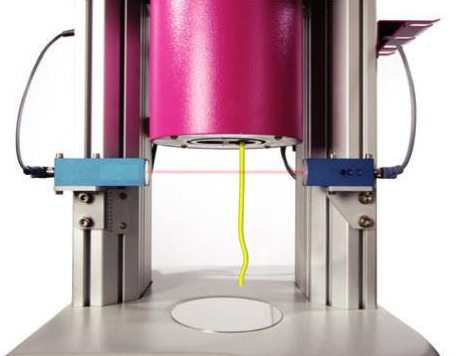
Die swell, also known as extrudate swell, is common in plastics processing, especially in polymer extrusion, in which a stream of polymeric material is forced through a die to manufacture the proper sample geometry.
- Home >> Service industry >> By Standards >> ISO
ISO 11443 Extrudate Swelling
ISO 11443 Extrudate Swelling
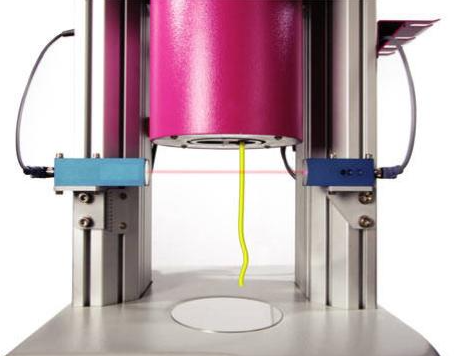
Die swell, also known as extrudate swell, is common in plastics processing, especially in polymer extrusion, in which a stream of polymeric material is forced through a die to manufacture the proper sample geometry.
Request a QuoteProduct Details
Die swell, also known as extrudate swell, is common in plastics processing, especially in polymer extrusion, in which a stream of polymeric material is forced through a die to manufacture the proper sample geometry. This is related to the elasticity of the polymer due to the possibility of the macromolecular system to contract and expand: when the random coil of macromolecules enters the capillary die it undergoes a contraction which, after partially relaxing in the capillary, is recovered at the outlet, when the restraining effect of the capillary ceases. The effect of swelling can be very strong, in particular with polyolefins (polyethylene, polypropylene) or very low polyamides and polycarbonate (polyesters). The effect of swelling is critical in some polymer processes, particularly blow moulding, in which either inadequate or two much swell can cause processing problems and defects in the finished product. ISO 11443 specifies a method for the measurement of die swell through the accessories of capillary rheometers.
Product parameters
Download
| Name | Download |
|---|
Applicable industries
Related Products

-
Telephone:+86 15910081986
Address:NO.4715, JINGSHI WEST ROAD, HUAIYIN DISTRICT, JINAN, SHANDONG, CHINA
Mailbox:admin@jnkason.com
-
Testing machine equipment metallographic analysis hardness tester series
Non-destructive testing equipment Material analysis instruments
©2026 Jinan Kason Testing Equipment Co., Ltd.