


KASON-CS Indentation Tester
- Maximum Load
200 kgf
- Load Resolution
2 gf
- Indenter Stroke
23 mm
- Displacement Resolution
0.1 μm
The Instrumented Indentation Test (IIT) is a material property testing method based on the force-displacement curve during the contact between the indenter and the sample.
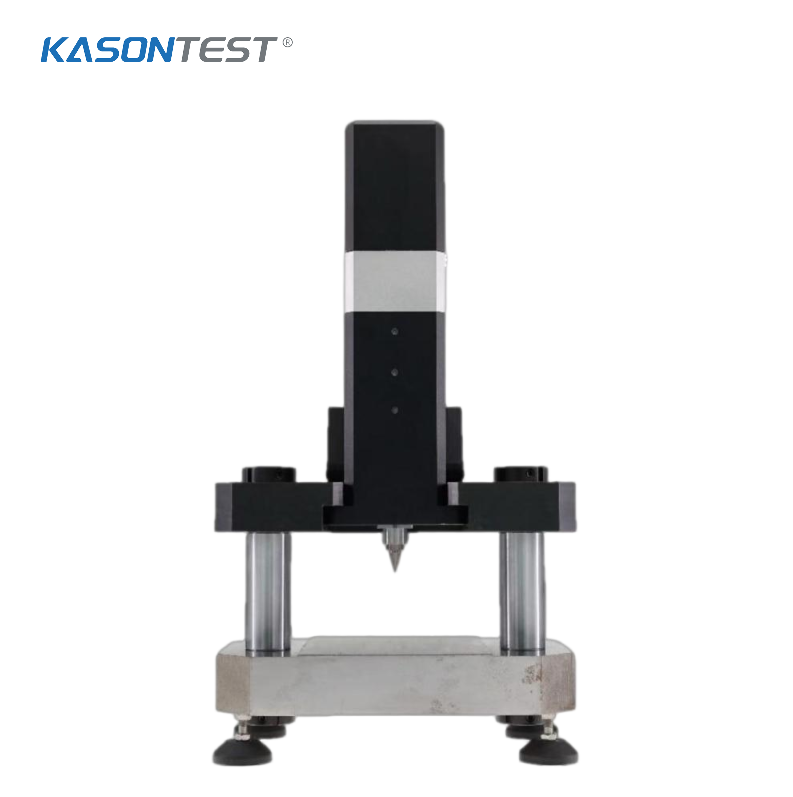
KASON-CS Indentation Tester
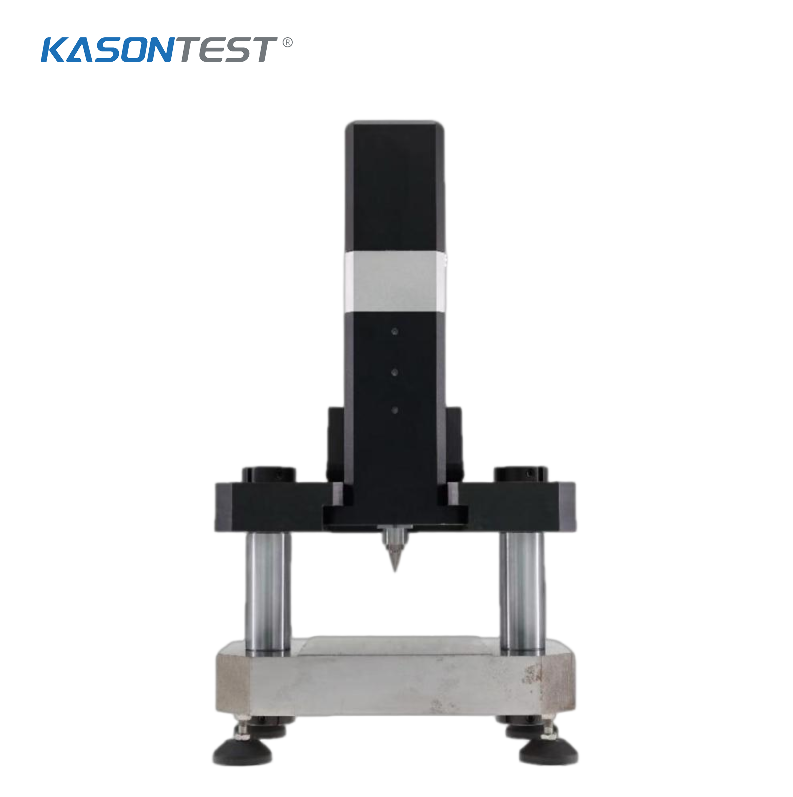
KASON-CS Indentation Tester
The Instrumented Indentation Test (IIT) is a material property testing method based on the force-displacement curve during the contact between the indenter and the sample.
Request a QuoteProduct Details
1.1 Introduction to Instrumented Indentation Test:
The Instrumented Indentation Test (IIT) is a material property testing method based on the force-displacement curve during the contact between the indenter and the sample.
An indenter (such as a diamond Vickers indenter or a spherical indenter) is pressed into the material surface at a controlled rate using a loading system; simultaneously, the load (P) and indentation depth (h) data are recorded in real time; a complete P-h curve is obtained throughout the loading-hold-unloading process; by analyzing the characteristic sections of the curve, a series of mechanical parameters of the material can be obtained.
Compared with traditional hardness testers, the instrumented indentation test can not only provide a single indicator of "hardness," but also quantitatively evaluate various mechanical properties, such as tensile properties and fracture toughness.
1.2 Applied Standards:
International Standard ISO/TR 29381 Metallic materials - Measurement of mechanical properties by an instrumented indentation test - Indentation tensile properties
Korean Standard KSB 0950 Metallic materials - Instrumented indentation test - Indentation tensile properties
Chinese Standard GB/T 39635 Metallic materials - Instrumented indentation test - Determination of indentation tensile properties and residual stress.
Product parameters
|
Parameter |
Specification |
|
Maximum Load |
200 kgf |
|
Load Resolution |
2 gf |
|
Indenter Stroke |
23 mm |
|
Displacement Resolution |
0.1 μm |
|
Loading Speed |
0.1 μm/s~2000 μm/s |
|
Functions |
Rockwell hardness, yield strength, tensile strength |
|
Rockwell Indenter |
250 μm radius tungsten carbide spherical indenter, 500 μm radius tungsten carbide spherical indenter |
|
Main Unit Dimensions |
350×250×160 mm |
Download
| Name | Download |
|---|---|
| KASON-CS Indentation Tester |
Applicable industries
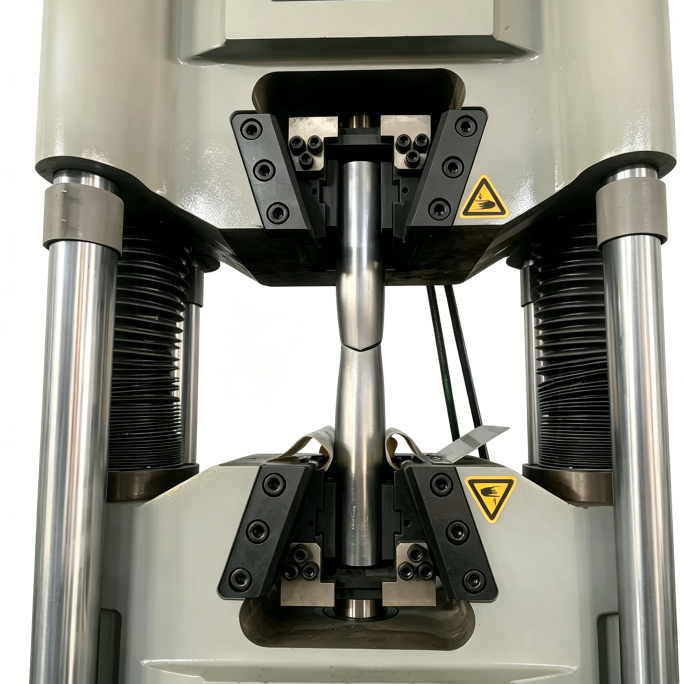
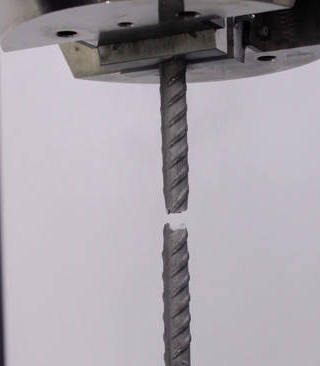
Related Products

-
Telephone:+86 15910081986
Address:NO.4715, JINGSHI WEST ROAD, HUAIYIN DISTRICT, JINAN, SHANDONG, CHINA
Mailbox:admin@jnkason.com
-
Testing machine equipment metallographic analysis hardness tester series
Non-destructive testing equipment Material analysis instruments
©2026 Jinan Kason Testing Equipment Co., Ltd.