


ASTM F543 Test Methods for Metallic Medical Bone Screws
ASTM F543 outlines standardized test methods for evaluating the mechanical properties of metallic medical bone screws under torsional and axial forces.
- Home >> Service industry >> By Standards >> ASTM
ASTM F543 Test Methods for Metallic Medical Bone Screws
ASTM F543 Test Methods for Metallic Medical Bone Screws
ASTM F543 outlines standardized test methods for evaluating the mechanical properties of metallic medical bone screws under torsional and axial forces.
Request a QuoteProduct Details
ASTM F543 Test Methods for Metallic Medical Bone Screws
ASTM F543 outlines standardized test methods for evaluating the mechanical properties of metallic medical bone screws under torsional and axial forces. These tests ensure compliance with FDA Class 2 device requirements and verify performance for orthopedic applications such as:
-Implants
-Osteosynthesis
-Fracture fixation plates
The standard also specifies requirements for the materials, finish, dimensions, and tolerances.
Bone screws experience combined axial and torsional forces during clinical use. Accurate testing under ASTM F543 ensures safety, durability, and regulatory compliance for medical device manufacturers.
Testing to ASTM F543
ASTM F543 uses SI units and includes multiple annexes for functional performance testing:
Annex A1 – Torsional Properties
Torsional yield strength
Maximum torque to failure
Breaking Angle
Annex A2 – Driving Torque
Annex A3 – Axial Pullout Strength
Annex A4 – Self-Tapping Performance
Not every bone screw will require each of these tests, only the tests that are relevant to the screw design. To ensure compliance, always read the full ASTM F543 standard.
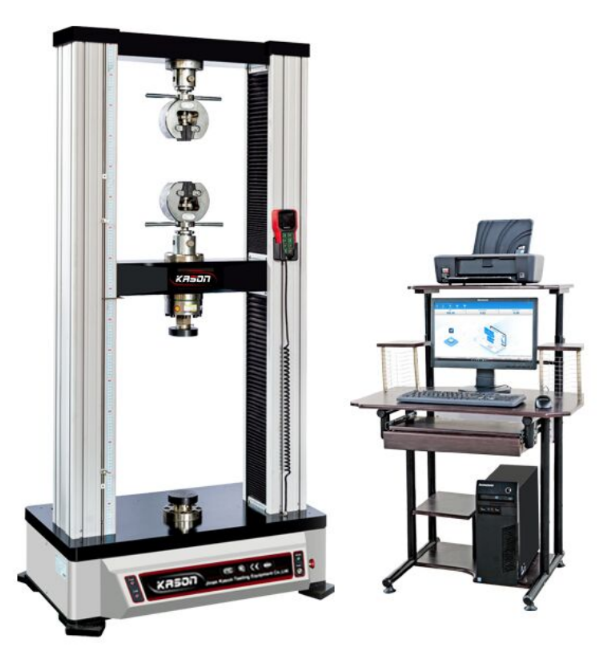
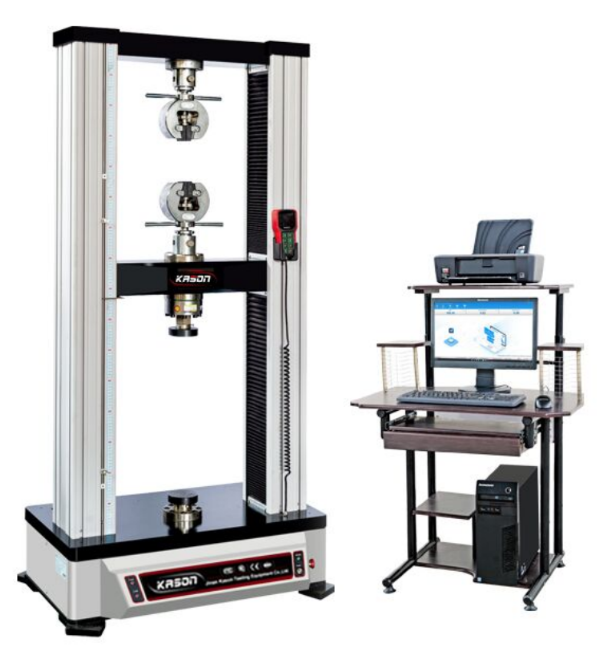
Grips, Fixtures, and Load Cells
We recommend the following grips, fixtures and load cells:
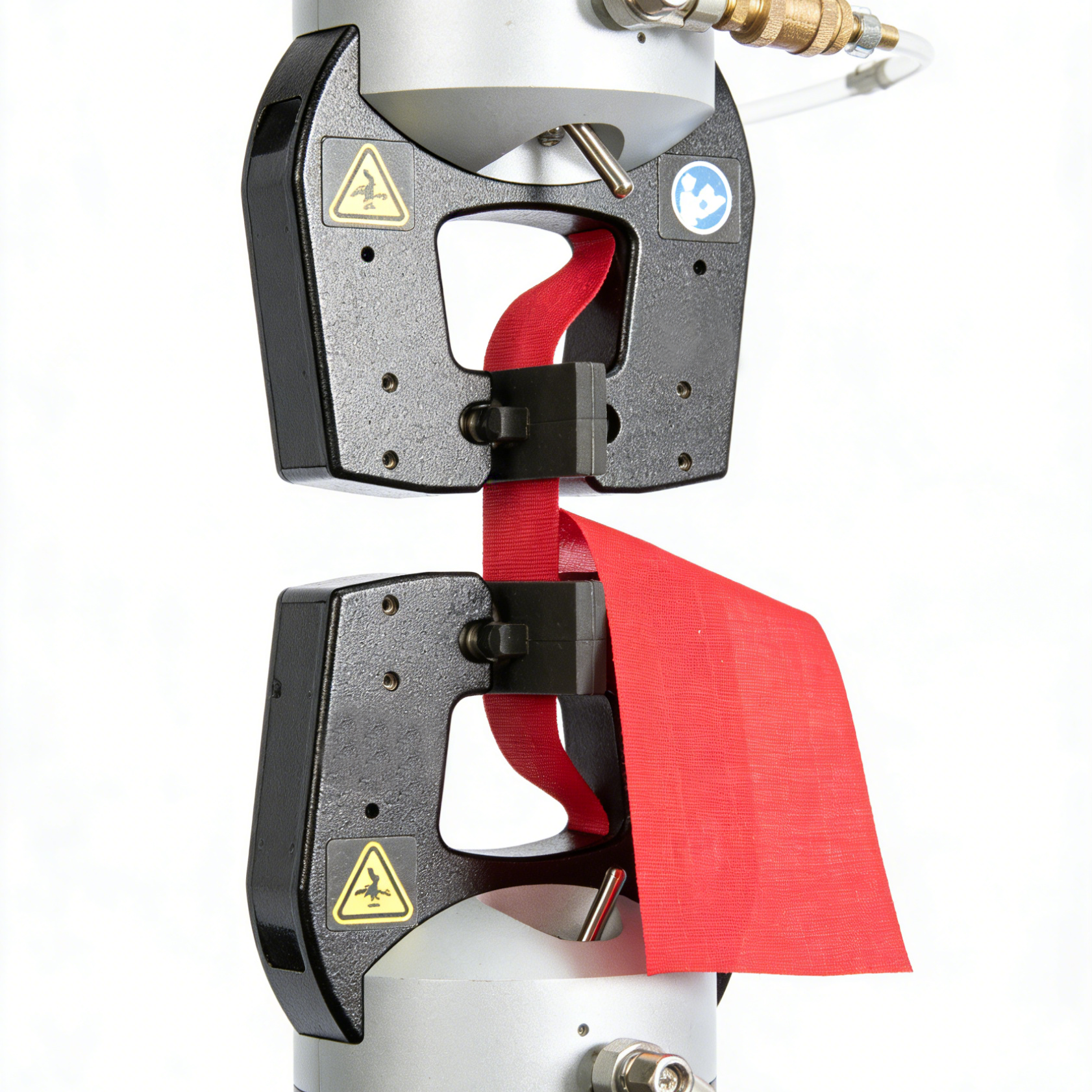
Screw side action grips or custom fixtures to secure the simulated bone
Three-jaw chuck for the screwdriver bit
Custom fixture for axial pullout strength
Biaxial load cell (1 kN / 25 Nm capacity) for combined force measurement
Product parameters
Download
| Name | Download |
|---|
Applicable industries
Related Products

-
Telephone:+86 15910081986
Address:NO.4715, JINGSHI WEST ROAD, HUAIYIN DISTRICT, JINAN, SHANDONG, CHINA
Mailbox:admin@jnkason.com
-
Testing machine equipment metallographic analysis hardness tester series
Non-destructive testing equipment Material analysis instruments
©2026 Jinan Kason Testing Equipment Co., Ltd.